Apophasis
The Ein Sof – What it is Not
Apophasis in Kabbalah is the “via negativa” or “speaking-not” approach, where the Divine, particularly the Ein Sof (Infinite), is understood as utterly beyond language, form, or conceptualization. Kabbalistic apophasis says the unsayable, using negation to describe God as the “nothingness” ( ) that is not a void, but a limitless, unapproachable reality.
Key aspects of apophasis:
- The Unknowable Ein Sof: Kabbalah posits that the ultimate divine reality, Ein Sof (Infinity), cannot be grasped or named. Any positive attribute limits this infinity.
- Negating Attributes: Rather than saying “God is x,” the apophatic approach says “God is not x,” thereby removing limitations from the divine understanding.
- Influence of Maimonides: The medieval philosopher Maimonides is a key influence, framing negative speech as a method of spiritual purification and the highest form of praise to God.
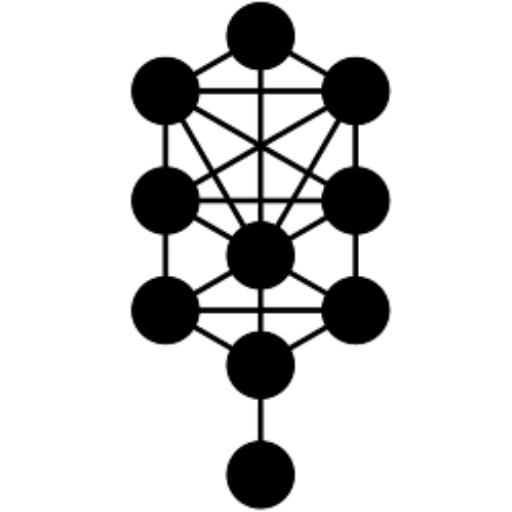
- Zoharic and Lurianic Kabbalah: Later mystical traditions, specifically the Zohar and Lurianic Kabbalah, adopted these apophatic gestures to describe the emanations of the Sefirot arising from the silent, formless divine essence.
- “Apophasis of Apophasis”: Some interpretations move beyond just negating attributes, suggesting an “apophasis of apophasis,” which embraces an absolute nothingness, or Ayin, as the pleromatic abyss at the core of being.This approach allows for a paradoxical understanding where the Divine is both absolutely transcendent (beyond all) and, through the unfolding of the Sefirot, immanent (within all).
Merriam-Webster Online Dictionary
apophasis (noun) the raising of an issue by claiming not to mention it (as in “we won’t discuss his past crimes”)
Apophasis (Wiktionary)
English
Etymology
Via Late Latin apophasis from Ancient Greek ἀπόφασις (apóphasis, “denial, negation”) from ἀπο- (apo-, “away, from, off”) + φάσις (phásis, “statement, proposition”) from φημί (phēmí, “to speak”) from Proto-Hellenic *pʰā́mā from Proto-Indo-European *bʰeh₂; whence Latin fārī, cognate to fame, fable.