Bahir (בהיר): Bright
The Book of Illumination
Sefer HaBahir is the “Book of Brilliance/Illumination”, a foundational 12th-century Kabbalistic work often attributed to the 1st-century sage Nehunya ben HaKanah. It introduced essential mystical concepts to Jewish thought. It is written in a cryptic Midrashic style and profoundly influenced the development of Kabbalah.
Access the Text:
- Our Bahir page: Explaining the Bahir and the best version to acquire for study.
- Sefaria: Provides the full Hebrew text of Sefer HaBahir with some navigation tools.
- Wikisource: A reliable source for the Hebrew text, often featuring a traditional layout.
Key Aspects and Content:
- Meaning of Name: “Bahir” means bright, clear, or shining, derived from Job 37:21.
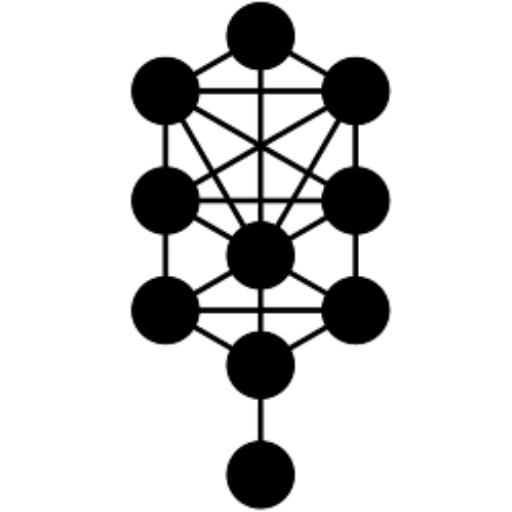
- Key Topics: It explores the ten Sefirot (divine attributes), reincarnation (gilgulim), the significance of Hebrew letters, and divine names.
- Structure: It is a fragmented, enigmatic text that reads like a mystical midrash on the Torah, rather than a systematic treatise.
- Origin: While tradition attributes it to Rabbi Nehunya ben HaKanah, scholars place its creation in late 12th-century Provence.
Bahir or Sefer HaBahir (Hebrew: סֵפֶר הַבָּהִיר, Hebrew pronunciation: [ˈsefeʁ ˌhabaˈhiʁ]; “Book of Clarity” or “Book of Illumination”) is an anonymous mystical work, attributed to a 1st-century rabbinic sage Nehunya ben HaKanah (a contemporary of Yochanan ben Zakai) because it begins with the words, “R. Nehunya ben HaKanah said”. It is also known as Midrash of Rabbi Nehunya ben HaKanah מִדְרָשׁ רַבִּי נְחוּנְיָא בֶּן הַקָּנָה.
First mentioned in late 12th-century Languedoc/Provencal works, the Bahir is an early work of the esoteric Jewish mystical tradition that eventually became known as Kabbalah. The work is considered by scholars to be pseudepigraphical, composed in Provence in the late 12th century.