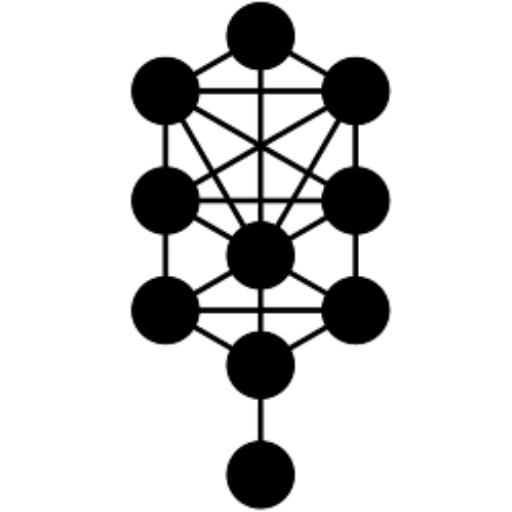
Malkuth (מַלְכוּת): Kingdom
The Tenth Sephirah
Malkhut is the divine presence that dwells within creation; the receptive principle that manifests the divine in the lower worlds through which transcendent divinity becomes operative in creation.
It is also known as Shekhinah, particularly in the Zohar where it is used interchangeably, and refers to the female aspect of God – God the Mother, rather than the Father.
Rather than emanating from God directly, it emanates from God’s creation and “governs the simple fact of existence in the physical world” and represents the lowest emanation of God that reflects God’s glory.
The Zohar establishes this concept’s foundational significance, emphasizing Shekhinah’s intimate dependence upon human conduct and Torah study for her sustenance and dignity. In the Zohar’s framework, Malkhut functions as both the culmination of the sefirotic system and the bridge between supernal realms and material existence, vulnerable to diminishment through sin yet capable of restoration through proper religious practice. This portrayal grounds mystical experience in ethical obligation, making the devotee’s actions cosmically significant.
Malkuth (/mɑːlˈkuːθ/; Hebrew: מַלְכוּת, romanized: Malḵūṯ [malxuːθ] “kingdom”; Ashkenazi: Malkhus [malχus]), Malkhut, Malkhuth, or Malchus, is the tenth of the sefirot in the Kabbalistic Tree of Life.
| The Sefirot in Kabbalah | ||
|---|---|---|

| ||

|
The Tree of Life | |
