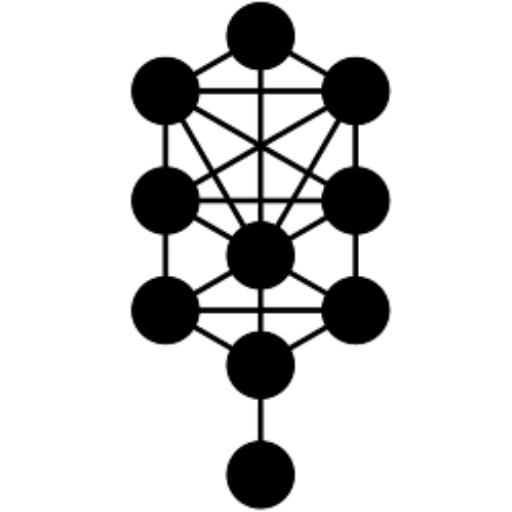
Nukva (נוקבא): Female
The Receptive, Feminine Aspect of the Divine
In terms of the sephiroth, Nukva refers to Malkhut (the physical realm or “Kingdom”), operating as the vessel that receives, shapes, and manifests the Divine light into the world.
The Concept
Divine Duality: Kabbalah explains the spiritual universe through a male-female dynamic. The partzuf of the masculine principle is Zeir Anpin (the Divine Groom), representing bestowal and compassion. The partzuf of Nukva is the Divine Bride, representing receptivity and the embodiment of the divine light.
The Vessel: In Kabbalistic psychology, the Nukva symbolizes our personal and collective capacity to receive. It is the earthly, tangible manifestation of spiritual energy.
Metaphors and Symbolism
Because the Nukva represents the bridge between the spiritual and physical, the Zohar and Kabbalistic texts hide her behind various earthly symbols:
The Moon: Just as the moon does not have its own light but reflects the sun, the Nukva reflects the higher light of Zeir Anpin.
Everyday Objects: She is symbolically referred to as the earth, bread, a cup, a throne, a temple, or a woman.
How the Nukva Operates
Ascent of Desires (MaN): The Nukva is elevated and corrected through human actions, specifically the performance of commandments (Mitzvot). Every positive act increases the “Desire” of the Nukva, preparing her to unite with the male aspect.
Cosmic Union: When the male and female Divine aspects unite (a process called Zivug), it brings spiritual abundance, blessing, and harmony into the physical world.
Two Faces: The Nukva is highly dynamic and is often personified into two distinct Partzufim (Divine visages): Leah (the hidden, higher face) and Rachel (the revealed face that interacts with the world).