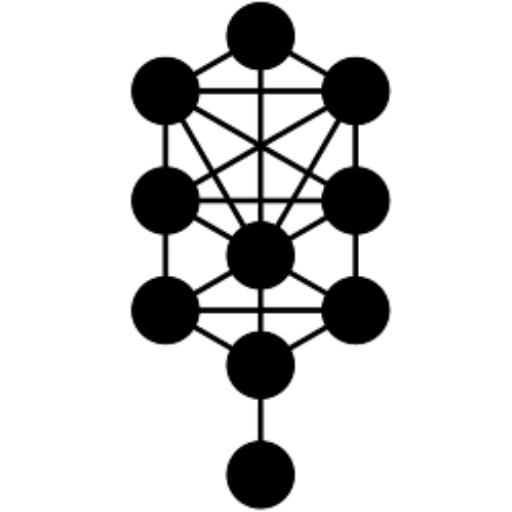
Perishut (פרישות): Abstinence
Mystical Detachment from the Mundane
Perishut is an elevated state of holiness, mystical detachment from physical temptation, and focus on the divine. While perishut can refer to traditional forms of abstinence (such as sexual abstinence for spiritual preparation or asceticism), the Zohar primarily frames it as an internal, intentional detachment from the material world to bond with the spiritual.
Aspects of Perishut:
- Asceticism and Discipline: It involves a willful expansion of religious practice, sometimes involving strict daily routines, including prayers, study of mystical texts, and fasting to subdue the ego.
- Connecting to Holiness: The goal is to separate oneself from the “shells” (klippot) or superficial aspects of physical reality to connect with the divine light.
- Moderation vs. Renunciation: Unlike some monastic traditions, Jewish mysticism generally does not support full asceticism. Rather, it focuses on being grounded, encouraging marriage and community obligations while cultivating an inner life of holiness.
- Repair (Tikkun): It is seen as a way to elevate the “divine sparks” within the physical world, bringing them closer to their divine source.
- The “Garment” Metaphor: The Zohar teaches that spiritual beings exist without outer coverings (“garments”), representing a pure state. Human beings, however, exist in a lower state, assuming form through an outer covering (garments). A state of perishut allows the soul to divest itself of this covering to bond with the divine.
- Correction and Purification: The Zohar states that anyone, even one who has sullied their soul, can return through perishut (detachment from the impurity). It is seen as a mechanism to correct or purify one’s soul, bringing it closer to its holy source.
- The “Other Side”: Perishut involves separating oneself from the Sitra Achra (the “Other Side” or forces of impurity).
- Elevated Consciousness: It is often discussed in relation to the “wise” or righteous souls, who are said to “shine like the brightness of the firmament” through their ability to see beyond the physical world.In essence, perishut in the Zohar is not simply forgoing physical pleasure, but the process of separating the holy from the profane in both action and thought.