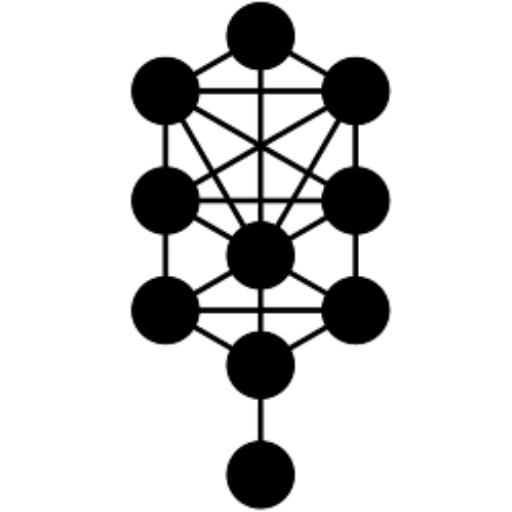
Atiqa Qadisa (עַתִּיקָא קַדִישָׁא): The Holy Ancient One
Manifestation of the Divine within Sefirot
The term Atiqa Qadisa (or Atikah Kaddishah) refers to the “Ancient Holy One” and a name of the sefira Keter. It is a key kabbalistic concept representing a manifestation of the Divine within the Sefirot, specifically associated with the realm of Keter or as a metaphorical part of the divine face, often linked to the sefirah Geburah and within the world of Atzilut (Emanation).
Core Meaning.
The Hidden Essence: Atika Kadisha refers to the inner, innermost light of Atik Yomin (The Ancient of Days). It is described in the Zohar as “the hidden sefirah of all that is hidden”.
Beyond Time and Space: Atika is not “old” in terms of age, but primordial, representing the Divine will that precedes all creation. It is completely beyond time, change, or measurement.
Naught (Ayin): The Zohar refers to Atika as “naught” because it is so high and incomprehensible that it is considered nonexistent in human terms.
Structure and Context
Keter & Partzufim: In Lurianic Kabbalah, Keter is divided into two primary dimensions: Atik Yomin (the inner dimension) and Arich Anpin (the outer dimension). Atika Kadisha is often associated with the inner light within these structures.
The Three Heads: The Zohar describes the “three heads” or “three heads of Atika” (often referring to the structure of Atika Kadisha/Arich Anpin), which connect the unknowable divine with the beginning of wisdom (Chochmah).
Lack of Judgment: Atika Kadisha is pure compassion (or purely beyond it) and is completely untouched by judgment (Din) or limitation.
Spiritual Significance
Source of Joy: It is considered the source of all joy and happiness, representing the ultimate, unadulterated divine pleasure.
Origin of Light: It is the highest light that existed even before the breaking of the vessels (Shevirat HaKeilim) in the world of Nekudim.
Atika Kadisha is a central theme in the Idra Rabba (The Greater Assembly) section of the Zohar (III 127b–145a), which provides detailed, metaphorical descriptions of this divine form (e.g., the “skull” of Arich Anpin) to illustrate deep metaphysical concepts.
« Back to Glossary Index